Notes from the darkroom.
#19: on light, shadow and contrast
Note #19 (a): on light
There was a time when everything was exposed.
Not just the film.
Early on, as a photo-reporter, it was all saturation. Light, movement, proximity. There’s no waiting in those conditions, you only react. Fast. You step in, you raise the camera, you shoot. Frames stack up. What matters is visible, immediate, undeniable. Or at least it feels that way.
You learn to move toward the noise. A crowd starts running and you run with it, or against it. You read shoulders, hands, gaps between people. Sometimes the camera is up before you’ve even decided what the image will be. The body reacts first. Distance feels like failure.
Being in the light meant being in it physically. Close enough to feel it, to take it. Exposure wasn’t just technical. It was positional. You had to be there, fully, or not at all.
There’s a kind of certainty that comes with that. Things happen and you catch them. There’s no ambiguity, no hesitation. It becomes instinctive. Light gives you edges. It defines what’s there. It leaves little room for doubt.
But if light reveals, it also erases.
Too much of it and everything flattens. Contrast disappears. Surfaces remain, but depth is gone. You record everything, and yet, nothing stays. You come back with images. Heavy, but carrying nothing. Some looked powerful when they were taken but empty once reduced to a photograph on a page.
I didn’t see that limit at first. It came with time, one frame after another. A decisive moment could still produce an incomplete photograph.
There’s a cost to constant exposure. Not just in the images.
Urgency becomes the default. Everything seems worth a frame. There’s little attention left for what isn’t immediately obvious. And most things aren’t. The eye goes toward what is already visible. Toward what stands out.
That bias lasted longer than the reporting years.
When everything is visible at once, the eye tends to stop at the first layer. I trusted what was in front of me because I had spent years doing exactly that.
At some point, I started wondering what I had missed there.
Note #19 (b): on shadow
What matters is rarely obvious.
You learn that when almost nothing is visible.
Wildlife doesn’t give you much to work with. No guarantees. No timing. No cooperation. You wait, and most of the time, nothing happens. Or nothing you can immediately use. The frame stays empty longer than you’d like. You start doubting what you’re doing there in the first place.
There’s no way to force it. No way to step in and take it. The more you try, the less you see.
So you stay.
At first, there’s only absence. You scan the landscape, adjust your position, look again. Still nothing. You question the vantage point, the light, the time of day. Eventually, your own ability to read any of it.
The waiting can be tense. Most days produce nothing. Time stretches. Doubt builds. There’s always the temptation to move, to search elsewhere, to create some form of activity, because waiting feels unproductive.
Subjects gradually matter less than conditions. Wind, cover, distance, sound, small movements. The landscape that seemed empty starts filling with information.
You resist the temptation to fill an empty frame with more emptiness.
Your eyes begin to register what first blended into the background. A break in a line. A movement barely perceptible in the grass. A shape slightly darker than everything around it. A presence that signals life or danger.
In shadow, the obvious cues are reduced. Shape and movement require more attention. So does separation: where one form ends and another begins, what belongs to the animal and what belongs to the bush behind it.
At dawn, a patch of bush can look empty for forty minutes. Then an ear moves. A shoulder separates from a trunk. Two eyes catch a trace of light. The animal may have been there the whole time. The landscape is exactly the same; your reading of it has changed.
Eventually, I stopped trusting the first glance.
Note #19 (c): on contrast
For a long time, it was one or the other.
Everything had to be clear, immediate, visible. Or everything had to be withheld, slow, almost absent. Exposure or restraint. Step in or step back. No middle ground that felt stable enough to live in.
That way of working doesn’t leave much room. It sharpens decisions, but it narrows the path. Things either exist fully, or not at all.
I used to work at the ends of the scale.
On the road now, the range is wider.
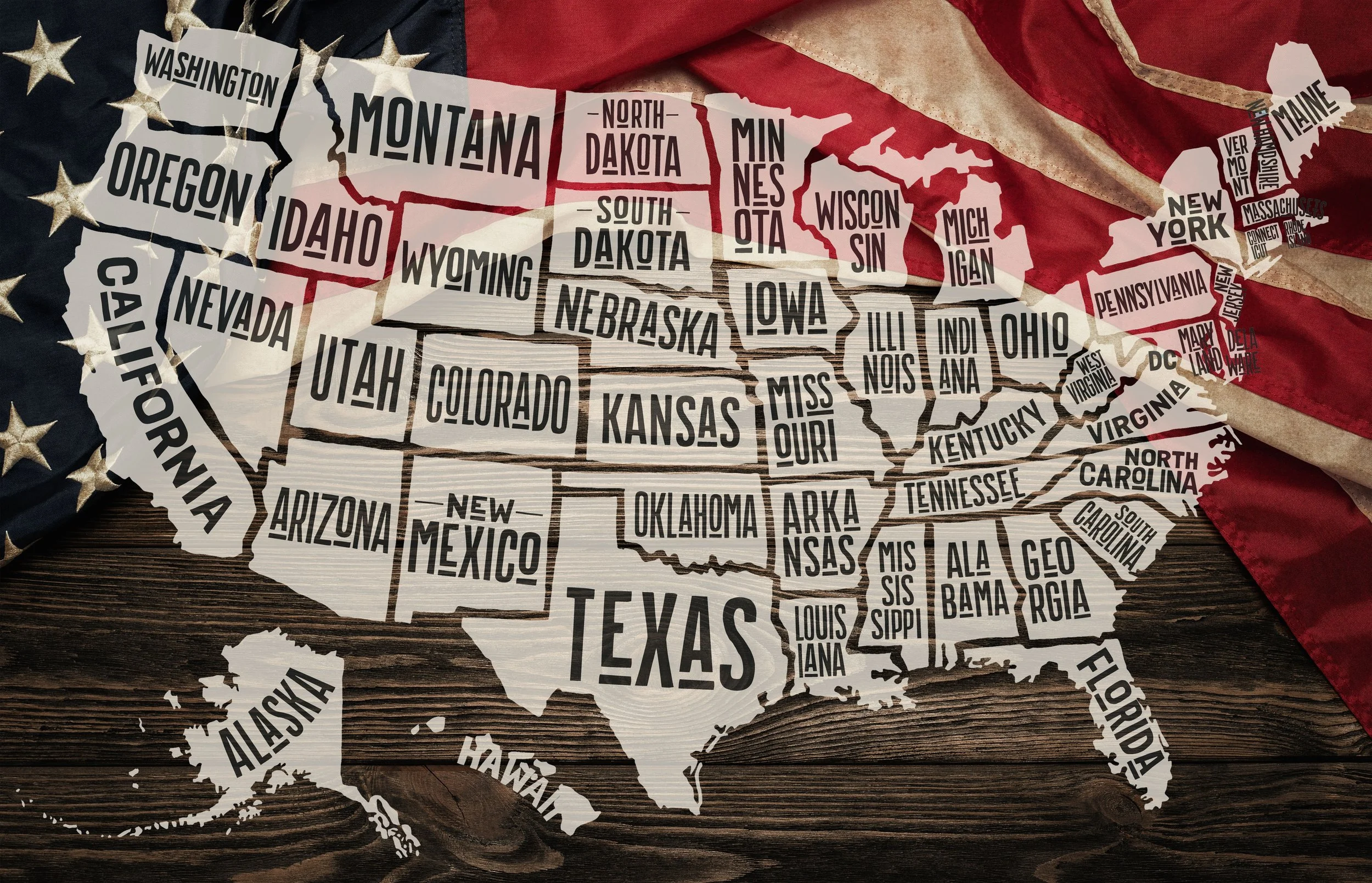
America. Exposed, unposed. also gives me the time to approach a frame differently. I can spend a long while in a place before taking a picture. I watch how people use a street, where they stand, how they relate to one another, what changes when I enter the scene. Sometimes I speak before I shoot. Sometimes the picture comes first. Sometimes there simply isn’t one. The first obvious frame is rarely the one I care about most.
So I move. I adjust. I take something and leave something else. I let things unfold or decide to walk away. Where to stand. When to shoot. When to keep the camera down. What belongs in the square and what belongs to the moment.
Instinctive decisions, constantly. About the image, the idea of the image (on either side of the camera) and the intrinsic interaction that makes an encounter matter.
The person in front of me is making decisions too. Whether to engage, to ignore me, to look into the camera or somewhere else. Sometimes the camera changes things immediately. Sometimes, it barely matters. I have my side of the frame; they have theirs. We each control part of what happens. Neither of us controls the whole thing. Whether there’s a picture in it, we find out as we go.
That’s how I’ve come to think about contrast: the range of ways I’ve worked with a camera over the years.
Thirty-plus years into photography, this has become a way of working. The blacks are still black and the whites still white. There are simply many more greys in between.
A full scale of nuances in the square.
Further thinking?