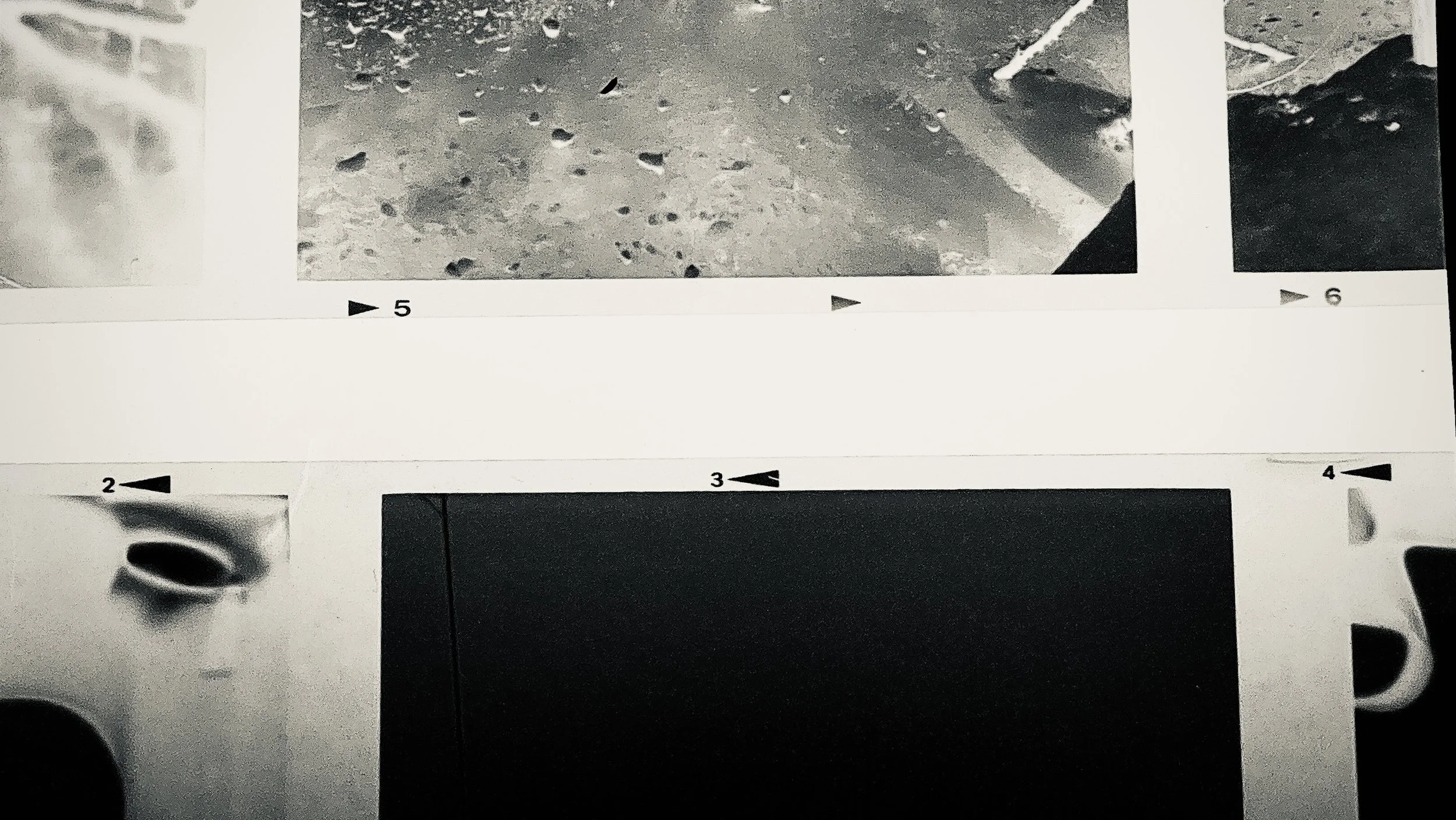
Notes from the darkroom.
#17: on processing
Some images come out overexposed.
Too much light for what the film could bear; like moments in life when feelings flood faster than understanding.
You can’t undo it, only learn how to work with what remains.
1. Insert the negative.
Accept what’s been exposed.
The image exists now; light met silver, and the reaction took place.
2. Frame.
There’s honesty in cropping.
Choosing what to keep and what to let go is already an act of grace.
3. Focus.
Bring clarity where it counts.
Not every blur needs correction; some belong to the moment itself.
4. Set the timing, the contrast.
Control is never absolute but you can shape the tone.
Too long and the shadows drown in darkness; too short and the light escapes.
5. Project the light.
Let it fall where it must.
Even grief shifts once it’s illuminated.
6. Slip the image in the tray.
The developer moves in gentle waves, but it’s patience that sets the rhythm.
7. And wait for the development.
It comes slowly, then all at once;
a faint outline deepening into form,
a recognition that wasn’t possible before.
Processing doesn’t change what was captured.
It only lets it reveal itself in time.
And somehow, in that repetition of small gestures and waiting,
what once felt unbearable becomes printable;
still marked, still imperfect,
but ready to be seen.